

24 Apr Pick Your Own Soft Fruit
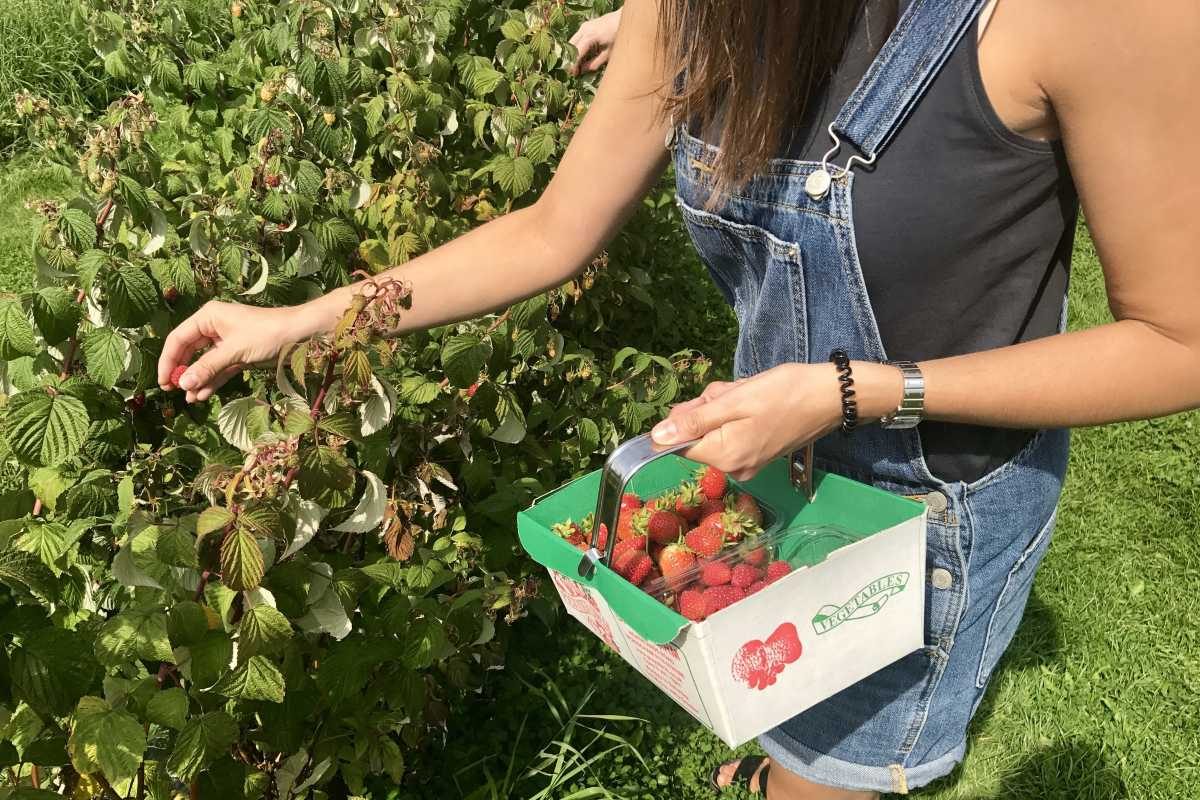
Choosing to start growing soft fruit for pick your own (PYO) business takes a lot of thought and planning.
Some of the first things to bear in mind are: do you have the right soil type, climate, space and local population to make the business a success.
If you tick those boxes and want to start planning, here are some worthwhile things to take into consideration:
Deciding what soft fruits to grow
To extend the picking season, you should choose a range of fruits that ripen throughout the Summer:
- Strawberries: Picking in early June–July – Great for getting families in.
- Raspberries: Picking in mid-June to late July.
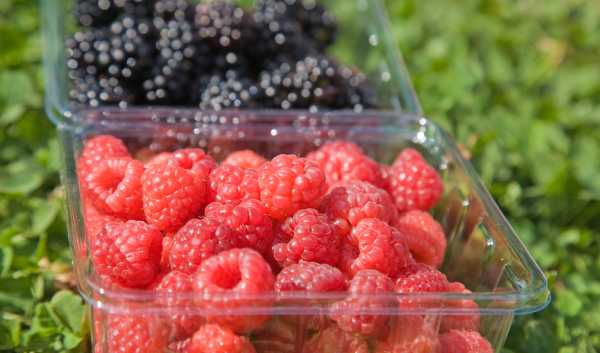
- Blackberries: Picking in July–August.
- Blueberries: Picking in mid-July–August. These have a great margin but are more difficult to grow.
- Currants/Gooseberries: Picking in June-July. Not as high demand as other soft fruits but may appeal to some.
Which varieties?*
This could be a whole article in itself, but, here are the main soft fruit varieties to consider:
Strawberries:
- Allegro
- Rendezvous
- Christine
- Malling
- Korona
- Glorielle
Raspberries:
- Enrosadira
- Joan J
- Polka
- Autumn Treasure
Blackberries:
Early Season – Loch Tay
Main Season – Asterina
Late Season – Chester
*Source: RW Walpole.co.uk
How to set up the site
- Land preparation: Plough, rotavate, and incorporate compost/organic matter. Remove all grass, weeds, and roots—especially couch grass and nettles.
- Irrigation: This is essential for fruit size and quality.
- Plant layout: Plant in wide rows (2m+) for customer access and mowers. (Good spacing for airflow = healthier plants)
- Weed control: Keep pesky weeds at bay by using black plastic mulch, straw mulch, or weed fabric.
- Protection: Using netting or polytunnels for birds, pests, and weather.
- Test your soil – York soils are often clay or loamy, sometimes with limestone influence = slightly alkaline.
- Soft fruit prefers slightly acidic to neutral (pH 5.5–6.5).
Start small
Don’t jump in with both feet, start with a small test area maybe ¼ acre and see how the fruits grow. This will give you an idea of growing capabilities and what you can expect from larger scale.
Infrastructure
- Parking area: you will need a decent sized area to park customer cars; allow plenty for turning.
- Toilets: don’t forget these on entry and possibly Portaloo’s closer to the field if far from main buildings.
- Shelter or small hut for check-in and payment. It’s England, it can rain in Summer so keep staff dry.
- Scales, till system, baskets/containers
- Signage, handwashing stations, trash bins
Licensing & Insurance
- Check local planning permissions (especially for structures).
- Public liability insurance is essential, don’t start without this.
- Food safety registration with your local council.
Marketing
- Social media is essential as most visitors are likely to hear about you via social platforms. (Instagram, Facebook, maybe even TikTok).
- Signage on roads and in local villages; direct visitors to your site, you may be off the beaten track!
- Talk with schools, local cafes, or farmers markets.
- Website for a central point of full information; opening times, cropping, pricing etc..
Staffing
- You will need seasonal workers for managing visitors, picking overflow fruits and general maintenance.
Why PYO?
Aside from the financial or diversification benefits, there are other reasons why a PYO soft fruit business is beneficial:
It’s local and sustainable; people harvest the fruit from where it grows, it encourages healthy eating.
It builds a community of families and friends and it reconnects people (especially children) where their food comes from.
It’s good for the soil; improving soil health and pollinators.
Maye it’s time you investigated the possibilities on your land.